Sci4Prosperity: Global South Dialogue Held in Sanya, Hainan

The Sci4Prosperity: Global South Dialogue was held on 3 November in Sanya, Hainan, on the sidelines of the 8th Global Forum of Leaders for Agricultural Science and Technology (GLAST 2026). The event was co-organized by the Center for International Agricultural Research (CIAR) and the Agricultural Information Institute (AII) of the Chinese Academy of Agricultural Sciences (CAAS), Fundação Getulio Vargas (FGV) and the International Food Policy Research Institute (IFPRI). Huihui Li, Deputy Director General of AII, CAAS, chaired the meeting.
Opening remarks were delivered by Wende Liu, Deputy Director General of the Department of International Cooperation, CAAS; Ismahane Elouafi, Executive Managing Director of CGIAR; Charles Spillane, Chief Scientist of the Food and Agriculture Organization of the United Nations (FAO); and Antonio Carlos Kfouri Aidar, Advisor to the President of FGV.

Wende Liu delivers opening remarks
In his remarks, Liu stressed that agricultural cooperation has to go beyond technology itself, linking research, training, extension, industry and finance so that innovation actually reaches farmers. He called for innovation that drives shared prosperity and benefits smallholders, women, young people and vulnerable groups; for technologies adapted to local needs, yielding solutions that can be scaled up and sustained; and for lasting partnerships that move cooperation from short-term projects to long-term mechanisms.
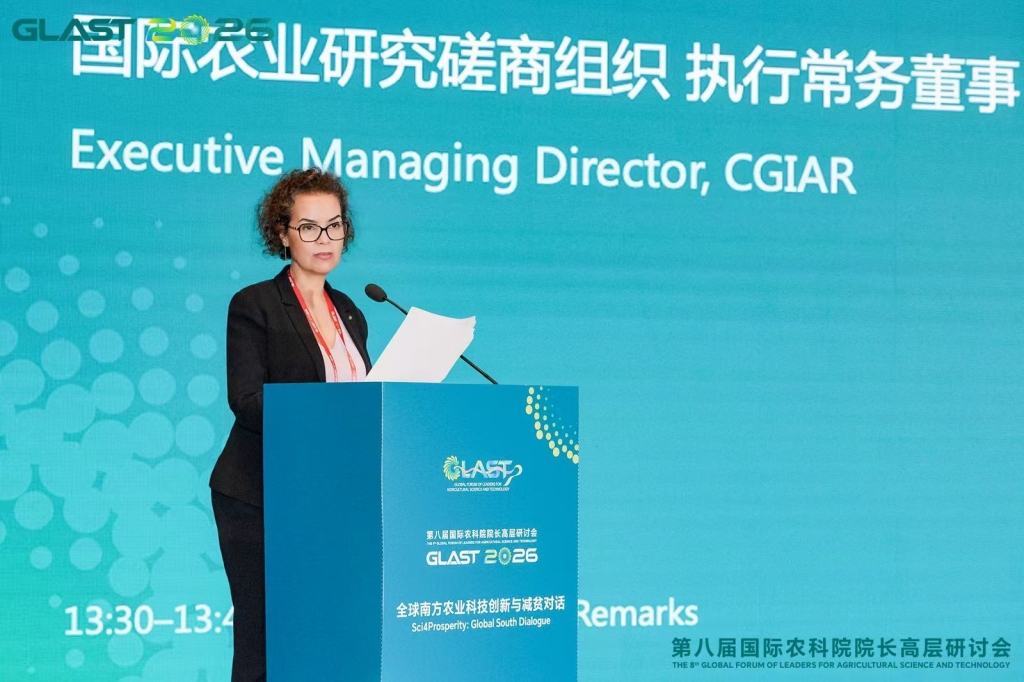
Ismahane Elouafi delivers opening remarks

Charles Spillane delivers opening remarks

Antonio Carlos Kfouri Aidar delivers opening remarks
Participants agreed that agricultural technology is not an off-the-shelf product: it has to be reconfigured to fit local ecological conditions, institutional settings and farmers’ capacities, and suitability matters more than sophistication. They called on all parties to ground cooperation in technology adaptation, to use value chain development to reduce poverty and raise incomes, and to work together on rules that ease the constraints of standards recognition and compliance costs, so that agricultural science and technology cooperation across the Global South delivers deeper and more tangible results.
At the event, CIAR released its think-tank report, Research on Models and Pathways for Agricultural Science and Technology Cooperation between China and the Global South. The report puts forward an analytical framework that pairs technology adaptation with system-wide empowerment. It assesses viable cooperation models, priority countries and cooperation potential between China and Global South countries, and offers focused analysis of climate change, land use and smallholder livelihoods.
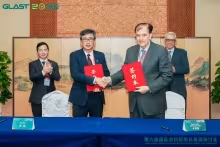
The China–Brazil Green Food Value Chain Website was also officially launched. Focusing on soybeans and beef, and available in Chinese, English and Portuguese, the site serves as a hub for information sharing and matchmaking in green value chain cooperation between the two countries.
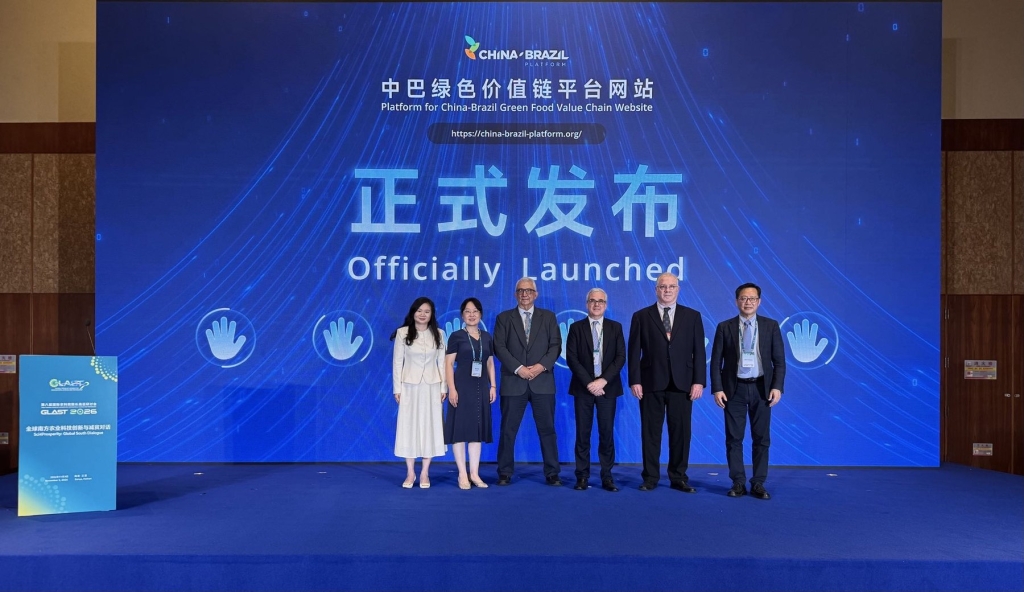
Official launch of the China–Brazil Green Food Value Chain Website
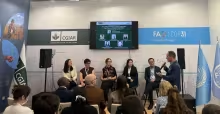
Two roundtable dialogues followed, one on industrial value chain cooperation and one on science and technology for poverty reduction. In the first, panelists exchanged views on building green value chains, technology adaptation, investment and financing support, and regulatory alignment, and explored how value chain cooperation can drive the green transformation of agriculture and raise farmers’ incomes across the Global South.

Roundtable I: Industrial Value Chain Cooperation
The second roundtable turned to South-South and triangular cooperation, the extension of appropriate technologies, ways of making sure research results benefit smallholders, and the role of business in poverty reduction. Panelists discussed how to put agricultural innovations to work on the ground in the Global South in support of poverty reduction and shared prosperity.

Roundtable II: Global South Science and Technology Poverty Reduction
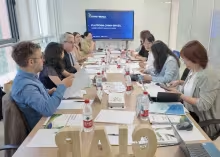
A new feature of the event was the “Ask A Scientist” knowledge marketplace. The International Fund for Agricultural Development (IFAD), FGV, and four CAAS institutes (CIAR, Tea Research Institute, Oil Crops Research Institute and Institute of Western Agriculture) set up booths, where lightning talks and open Q&A gave participants the chance to talk with scientists face to face, carrying the conversation from the stage onto the floor.
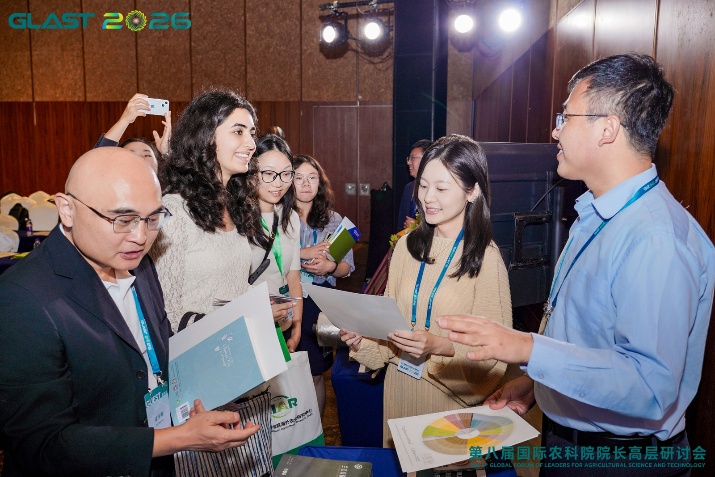
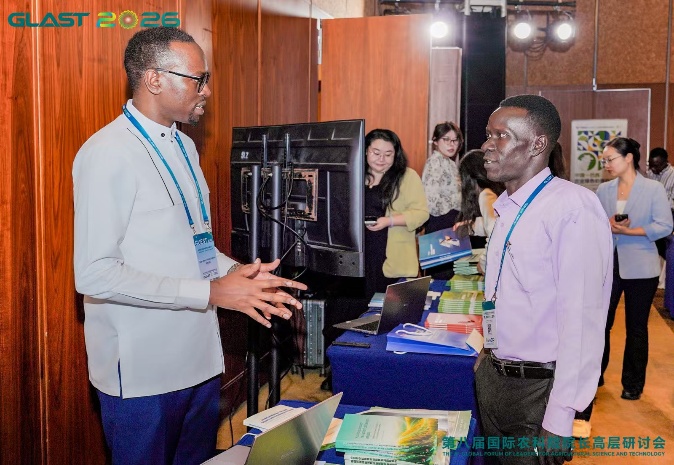
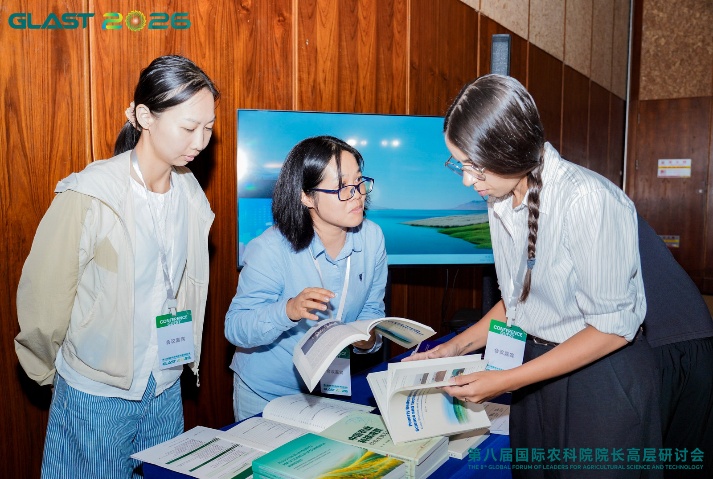
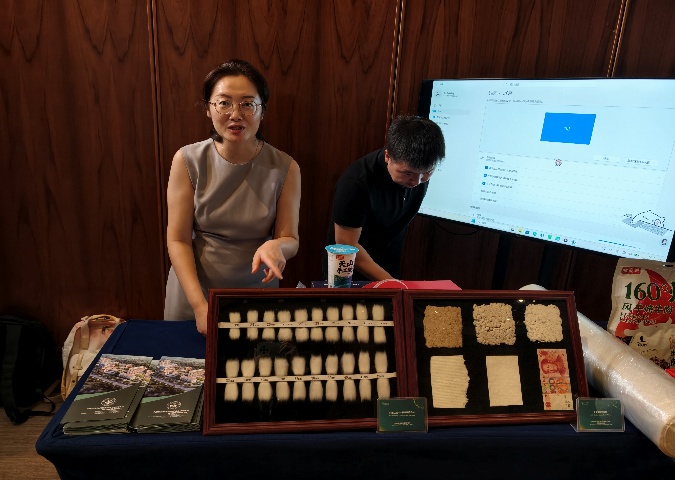
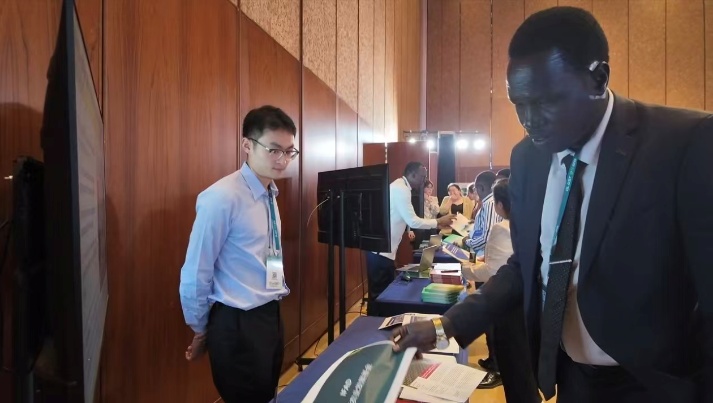
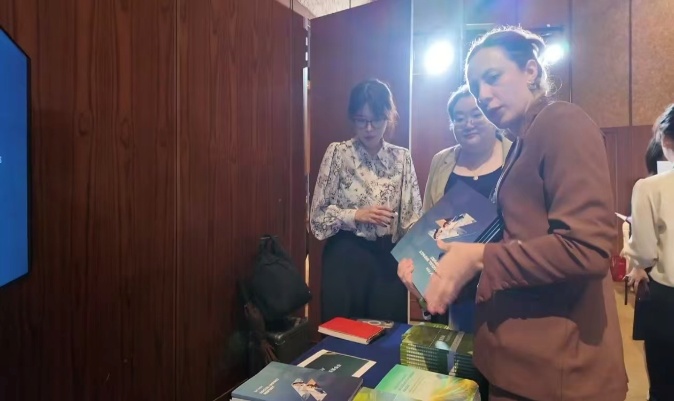
The “Ask A Scientist” knowledge marketplace
One of six side events at GLAST 2026, the Dialogue produced a mutually reinforcing set of outcomes spanning research, platforms and networks. It brought together 110 participants from 17 countries, including Brazil, Kenya, Norway, South Africa, Egypt, India and China, and from eight international organizations, among them FAO, IFAD, the World Food Programme (WFP), CGIAR, CABI and the New Development Bank (NDB).